Címke: colonialism

Tovább

Colonial Hungary in East and Southeast Asia: The Orientalism of János Xántus

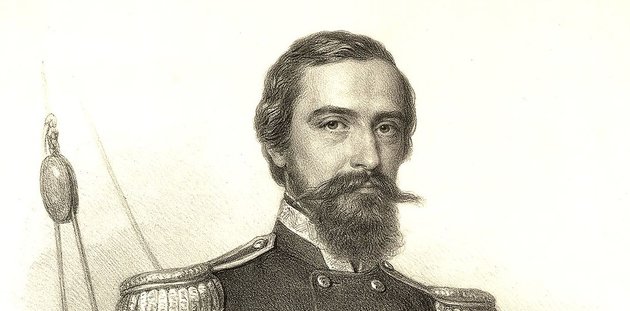
János Xántus (1825–1894) is remembered as one of the most famed Hungarian natural scientists of the 19th century. Becoming a political refugee after the failed 1848–49 Hungarian war of independence from the Habsburg Empire, in the 1850s and early 1960s he was drawn into North American expeditions, and developed a vast network to transfer specimens regularly back to Hungary. Finally returning to Hungary (for the second time), after the Austro-Hungarian compromise (1867) he gained the opportunity during 1869–71 to participate in a series of imperial expeditions to East and Southeast Asia, including Ceylon, Siam, Singapore, Java, China, Japan, Taiwan, The Philippines, and Borneo. The case of Xántus may shed light on how Hungarian colonial knowledge production was embedded in global colonialism.
Tovább

Hungarian Indians: Racial and Anti-Colonial Solidarity in Post-Trianon Hungary

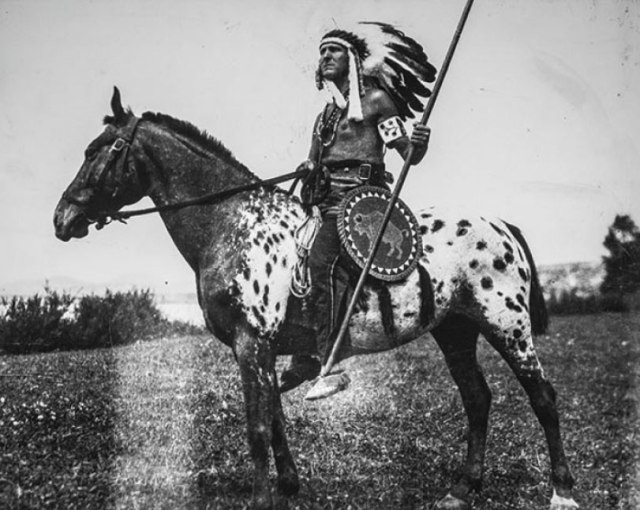
Hungarian cultural connections to North American Indians emerged in the 1920s as both a state-subsidised and bottom-up anti-colonial solidarity movement engaging with comparative colonial experiences. Solidarity with the Indian “noble savage” was established through cultural similarities in nomadic culture and mythology (Hungarian Orientalism), romanticist longing for an essential and authentic culture (nativism), return to nature and mysticism, revival of an idealized folk culture and delinked rural utopia (tribe communities), and – most importantly – anti-colonial solidarity resonating with ideas of a lost homeland, traumatized subalternity and revanchist anti-Western critique.

Paper for the Historicizing ‘Whiteness’ in Eastern Europe and Russia conference at the Centre for the Study of Equal Opportunity Policies, Political Science Department, University of Bucharest on 25–26 June, 2019.

Tovább

Magyar úti leírások és regényirodalom a gyarmati világról

Összegyűjtöttem egy kb. 800 könyvnyi adatbázist a (poszt)koloniális világról szóló, magyar szerzőktől származó vagy magyar nyelvre lefordított úti leírásokból és regényirodalomból – kiadási adatokkal (szerző, fordító, évszám, kiadó, oldalszám, sorozat, link) és borítóképekkel. Köztük vannak ponyvák és tudományos munkák is, 19. század közepi írások és egészen a rendszerváltásig (1989) megjelenő szövegek, illetve másodlagos irodalom is erről a témáról.

I compiled a database with around 800 books about the (post)colonial world, mostly travelogues and novels written or translated by Hungarians – with book covers and publication details (author, translator, date, publisher, length, series, link). These books range from pulp fiction and scientific studies, mid-19th century writings up until the system change (1989), and include secondary literature on the topic.

Tovább

Gyarmati tudást termelő magyar geográfusok

1935-ben a neves geográfus, Kádár László jelentetett meg egy tudományos ismeretterjesztő magazinban, a Búvárban cikket Afrika gyarmatosításának a történetéről. Még Kádár viszonylag leíró és mértéktartó elbeszélését, amelyben olykor-olykor felbukkan az afrikai népek szabadságával szembeni halovány szimpátia is, lényegében nagy eurocentrikus narratívák uralják.

Tovább

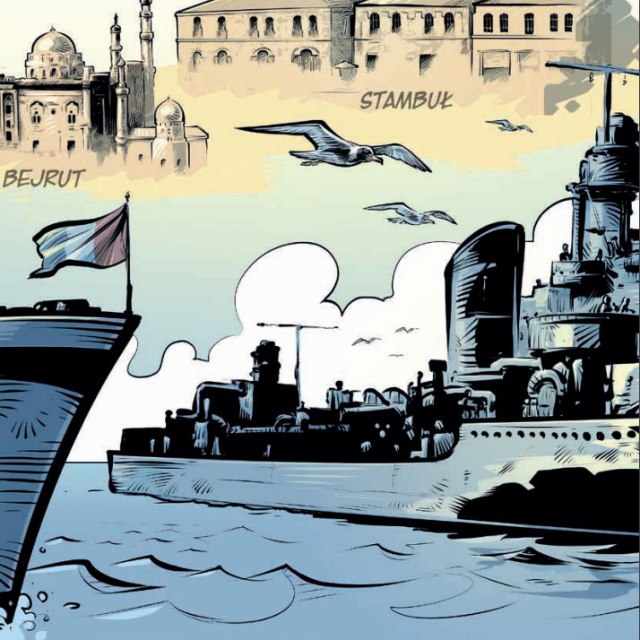
How the Polish gold train got stuck in French Africa during WWII

I just read about the Polish banker and economist Leon Barański (1895-1982), who worked as an expert and permanent representative of the World Bank in Ghana during 1962–1964. Then through his biography, I bumped into this epic story of how the Polish Bank tried to save its gold during World War Two, a process which Barański organized as the bank director. This was a truly geographical history: the plan was to evacuate the gold from France to the United States of America.

Why is the decolonization of the history of modern science and technology important in Eastern Europe?

Why is the decolonization of the history of modern science and technology important? So that we can understand why Francis Bacon’s iconic title page image of a European caravella navigating through the pillars of Hercules in his book Instauratio Magna (Great Instauration, 1620) or Novum Organum Scientiarum (“new instrument of science”), which indicated the new program for modern empirical (colonial) scientific development, was actually taken from Andrés García de Céspedes’s book, Regimiento de navegación (Madrid, 1606). This shows the Northwestern European (Dutch, British, German), Protestant hegemonic shift, which stigmatized the downfall of “luxurious”, “inefficient”, “rapacious”, “unindustrialized”, “state-led capitalist” Spain, the Iberian or Southwestern European imperial-colonial project, against the “industrial revolution” and “scientific revolution” of the Northerners, the latter of which the image became a symbol. The deconstruction of this narrative is important in revealing the concealed global histories of colonial scientific and technological development, which was partly a precondition for the development in the new hegemonic centre in Europe. The South American decolonialist approach might be an important influence in decolonizing Eastern European knowledge production, since the Northwestern-Atlantic-Protestant narrative of scientific development, largely present in social scientists’ work such as Max Weber or Karl Marx, was dominantly diffused in Eastern Europe as our Eurocentric understanding of global scientific and economic development. I was educated according to this narrative already in primary school.