
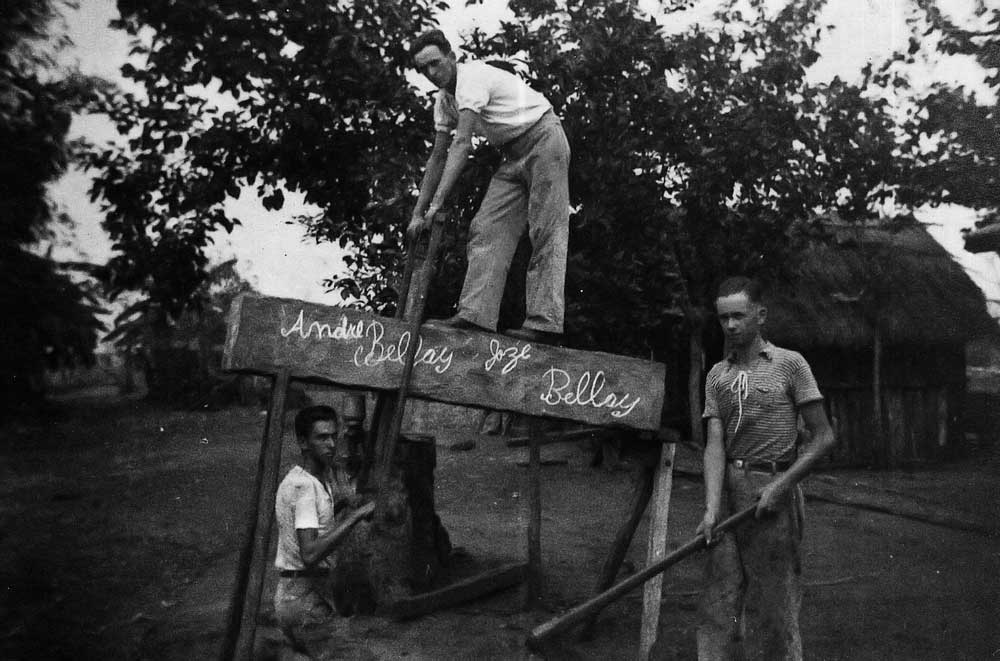
Nucleó de Memoria
In Eastern Europe, the arguments of ‘white innocence’, historical exceptionalism, and ‘never having colonies’ had systematically denied the region’s participation in global colonialism, only to support the colonial victimhood of ‘peripheral whites’. This paper refutes these semiperipheral historical myths by exploring the story of Hungarian settlers in the Brazilian colonial frontier between the two world wars. With the very late and controversial abolition of slavery in Brazil in the late 19th century, local colonization projects increasingly sought Eastern European laborers. This state policy of branqueamento (‘whitening’) attempted to “improve the bloodline” through immigration, yet most incoming Hungarians were poor laborers, many of whom worked on plantations and were considered ‘racially inferior’ by a Brazilian nationalist white majority. In Hungary, the Treaty of Trianon (1920) after WWI had left the ‘shrunken nation’ lose its imperial status, surrounded by hostile nations and vulnerable to emigration, while thousands of migrants now turned to South America instead of the USA. The Hungarian colonies in Brazil became a niche of Hungarian tropical colonial fantasies where the anxieties of ‘losing the nation’ and preserving ‘nationness’ through the aesthetic of the hard-working ‘Hungarian colonist’ were played out. While in Brazil the story of Hungarian settlers were de-emphasized as they were absorbed into the wider history of ‘European immigrants’, Hungarian memory politics never admitted these settlers into the history of global colonialism. However, the conservative illiberal government in the 2010s started a new diaspora politics that ironically revealed this ‘postcolonial Hungary’ in South America. This paper asks how these stories could be exhibited to explore 1) semiperipheral Hungarian agency in global colonialism, 2) the semiperipheral ‘in-between’ racial positions of Hungarians in the global histories of whiteness; 3) and a shared ‘transcolonial’ history between Brazil and Hungary. It attempts to answer by building on previous experiences of curating the ‘Transperiphery Movement’ exhibition as part of the OFF-Biennale Budapest and the Kyiv Biennial in 2021; on contributions to the ECHOES project; and in particular on the archival collections held at the Déri Museum (Debrecen, Hungary) of the Hungarian teacher, poet and sociographer Ferenc Kordás, who surveyed the remotest Hungarian colonies in Southern Brazil during the interwar era.
Abstract of presentation for tbc conference in Rio de Janeiro.
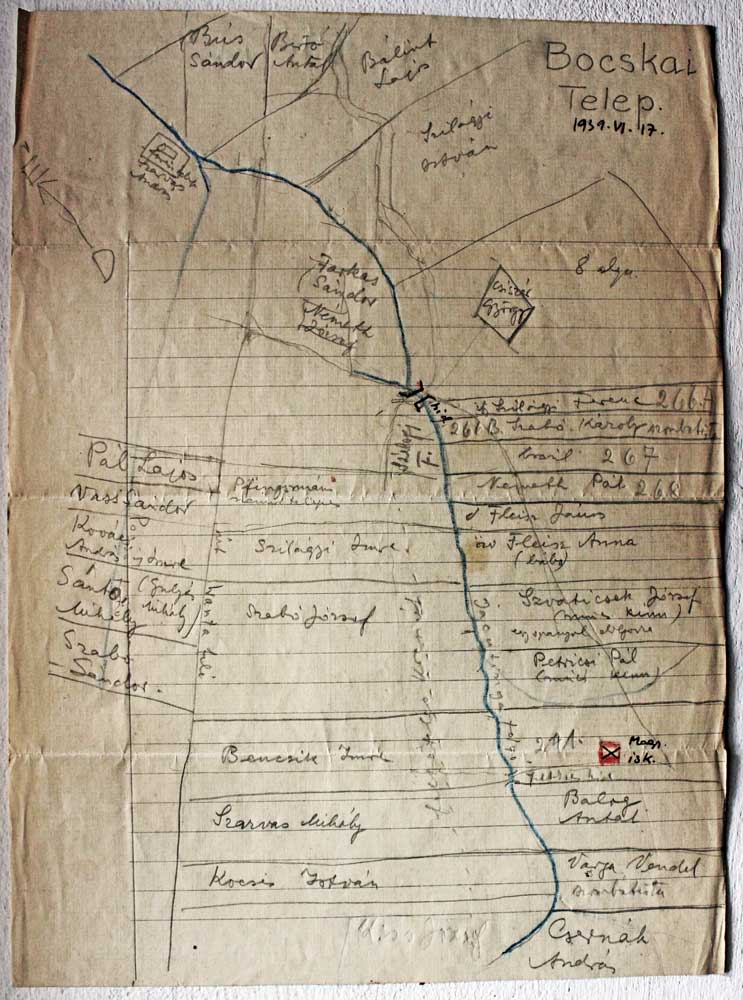
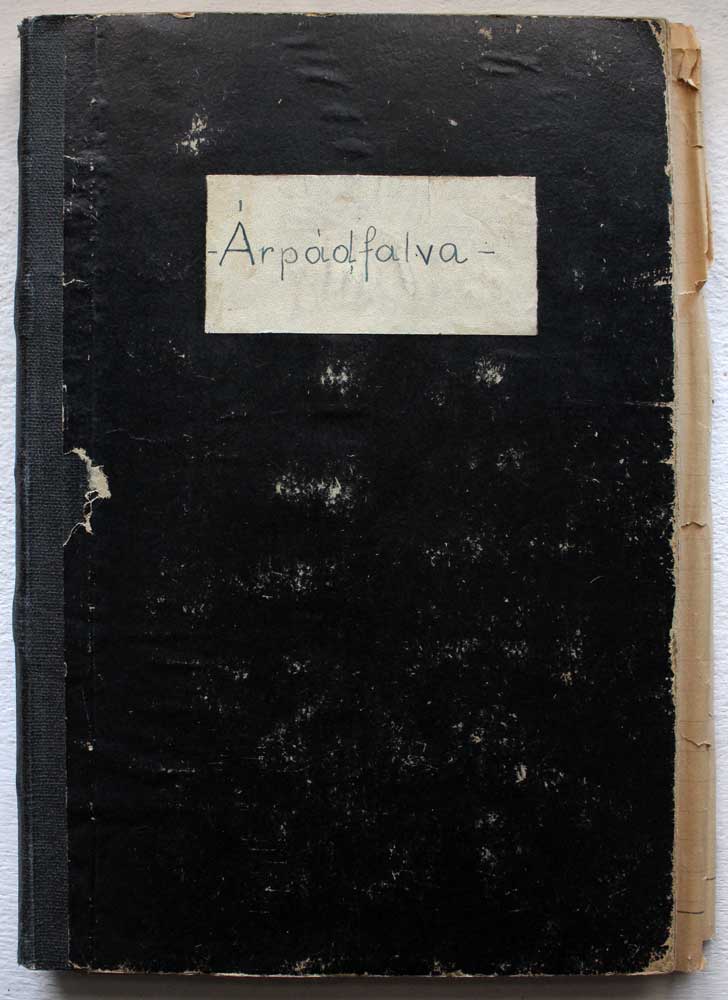
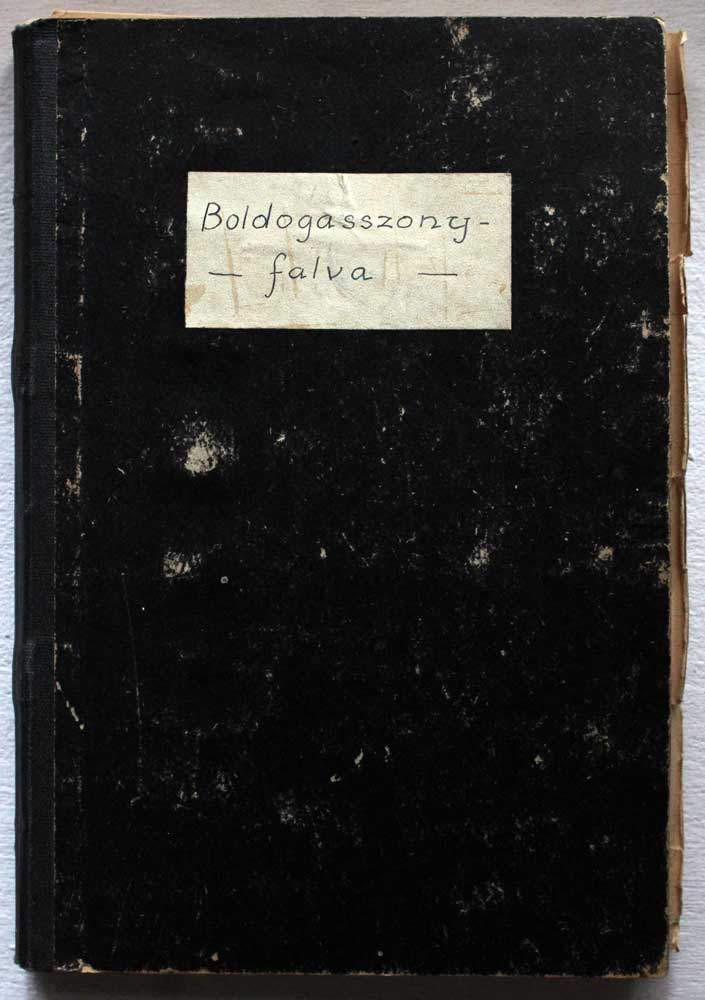
Sociographies, maps and surveys of Ferenc Kordás (Déri Museum, Debrecen).
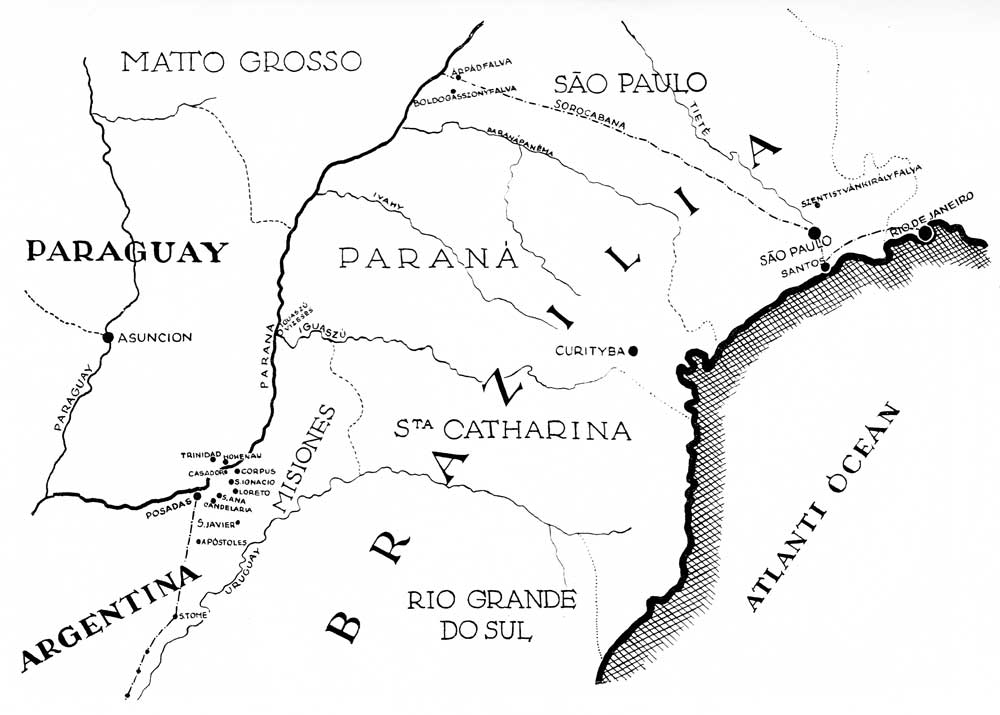
Map from Jesuit missionary Béla Bangha (1934) showing some of the Hungarian colonies: Árpádfalva, Boldogasszonyfalva, Szentistvánkirályfalva.
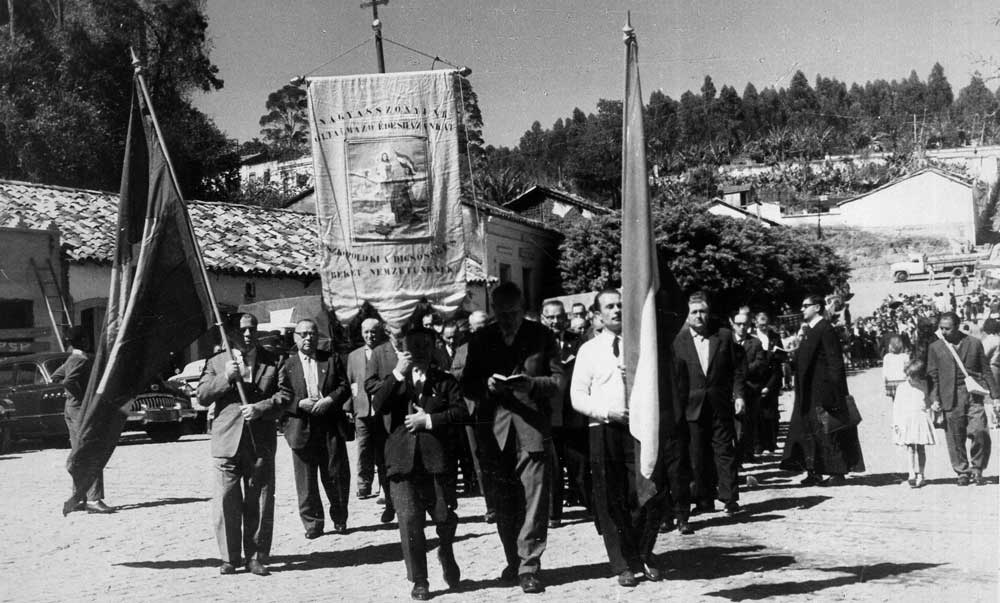
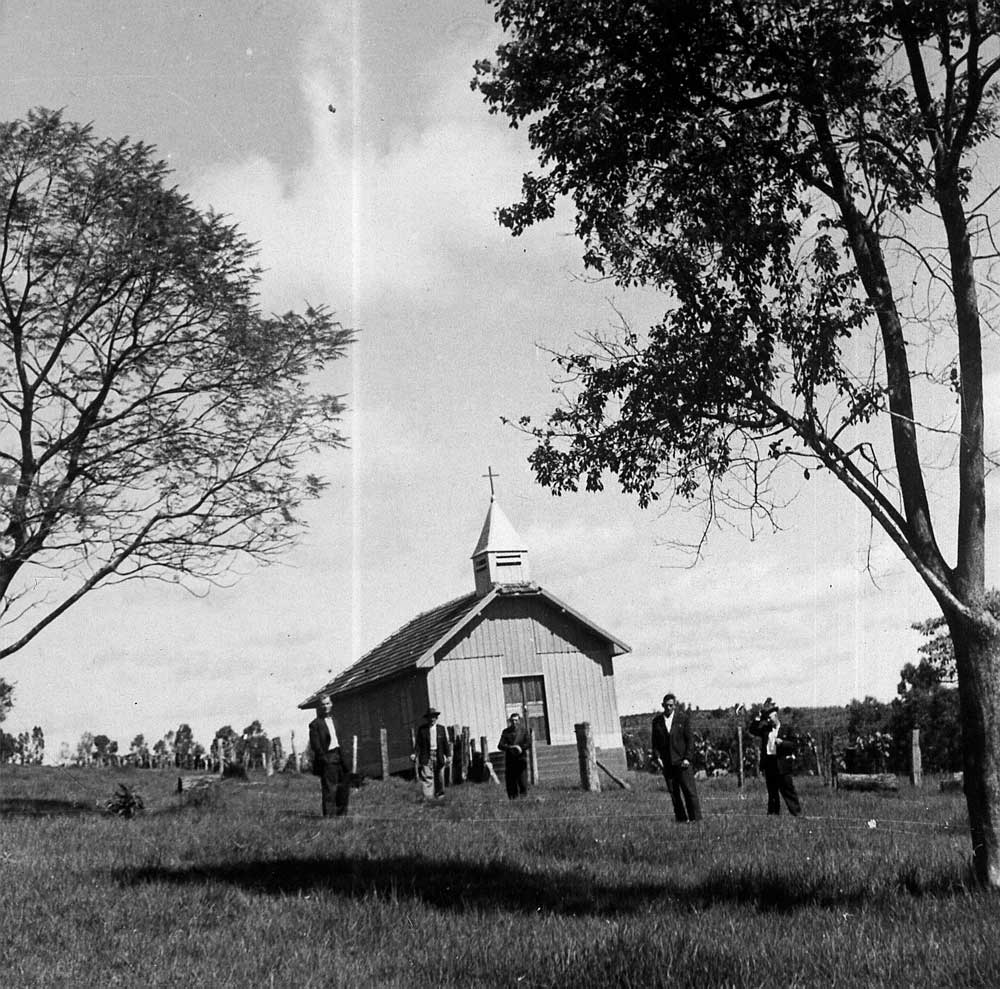
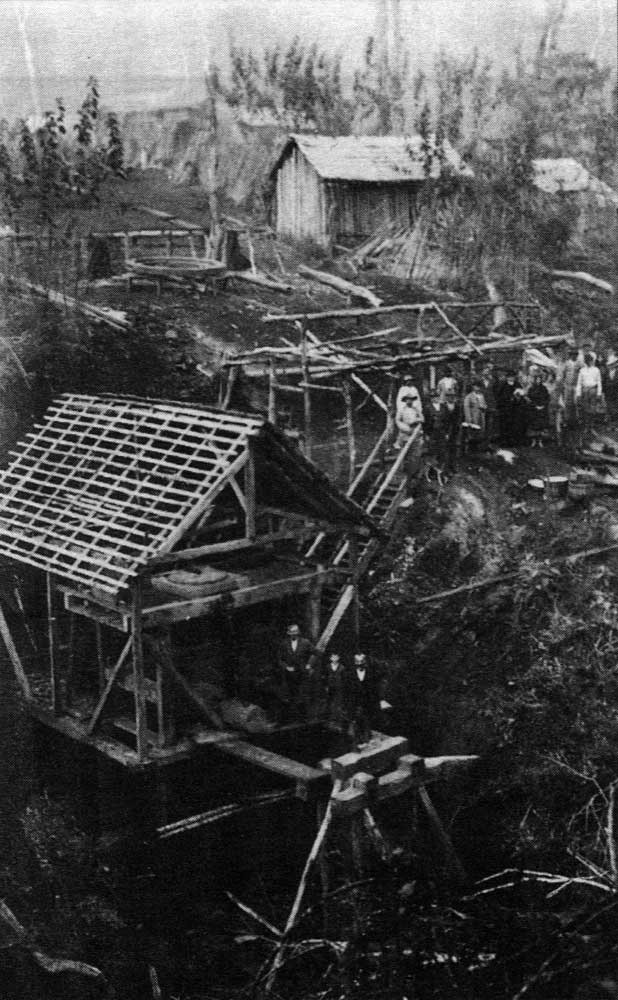
Collection of Lajos Boglár / Nucleó de Memoria.
 Zoltán Ginelli