
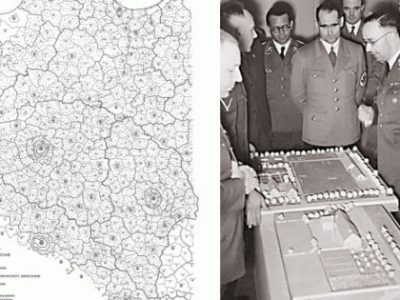
Globalizing the Generalplan Ost: The Transcolonial Histories of Central Place Theory
In 1940, Nazi agronomist and SS-Oberführer Konrad Meyer set up an institution to devise the ‘rational’ plans of ‘colonizing the East’ in order to create an ideal landscape for settler colonists of an imperial German-Aryan race by wiping Eastern Europe from all ‘lesser’ races. The Generalplan Ost (‘General Plan East’), as it was called, was…

Hungarian Westsplaining
A strange ambivalence lurks behind how Hungarian politics forcefully captured ‘coloniality’ vis-á-vis the ‘West’, while ‘West’-oriented anti-colonialism rejects any systemic criticism of Hungary-centered global colonialism(s). On the full political spectrum, Hungarian culture became a hotbed of self-colonizing mimicry, a staged ‘West simulacrum’ populated by turn-key imports of ‘the West’. However, nobody addressed the geographies behind…
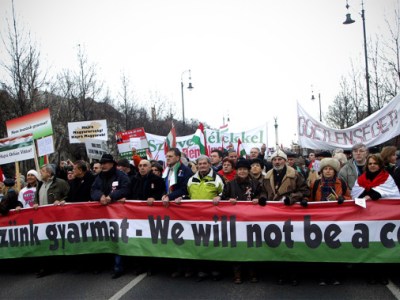
The Hungarian ‘Colonial Turn’ of 2012: Commemorating 1848 as ‘Habsburg Colonialism’ in Anti-Western Public Discourse
On 15 March 2012, Hungarian Prime Minister Viktor Orbán delivered a commemorative speech during the national anniversary of the declaration of Hungarian independence from ‘Habsburg colonialism’ in 1848. The speech was pivotal in setting the course for Hungary’s new official political agenda: “we will not become a colony of the West”. The primordial historical date…

Akkumulátor-gyarmatosítás Magyarországon
A nyugatcentrikus ellenzék csupán tükrözte a kormány nyugatellenes gyarmati diskurzusát. Így született az “orosz gyarmatosítás” és a “kínai gyarmatosítás” elleni kritika is (pl. a Fudan Egyetemhez kapcsolódó tüntetésben, amelynek főszervezője a Szikra Mozgalom volt), amely erősen táplálkozott az orientalista rasszizmus régi gyarmati diskurzusaiból is. Ezekre az előzményekre épített újabban a kormány akkumulátor-ipari és elektromosautó-gyári beruházásaival…
The Hungarian ‘Colonial Turn’ in 2012: Commemorating 1848 as ‘Habsburg Colonialism’ within Anti-Western Public Discourse
On 15 March 2012, Hungarian Prime Minister Viktor Orbán delivered a commemorative speech during the national anniversary of the declaration of Hungarian independence from ‘Habsburg colonialism’ in 1848. The speech was pivotal in setting the course for Hungary’s new official political agenda: “we will not become a colony of the West”. My contribution focuses on contextualizing Orbán’s speech…
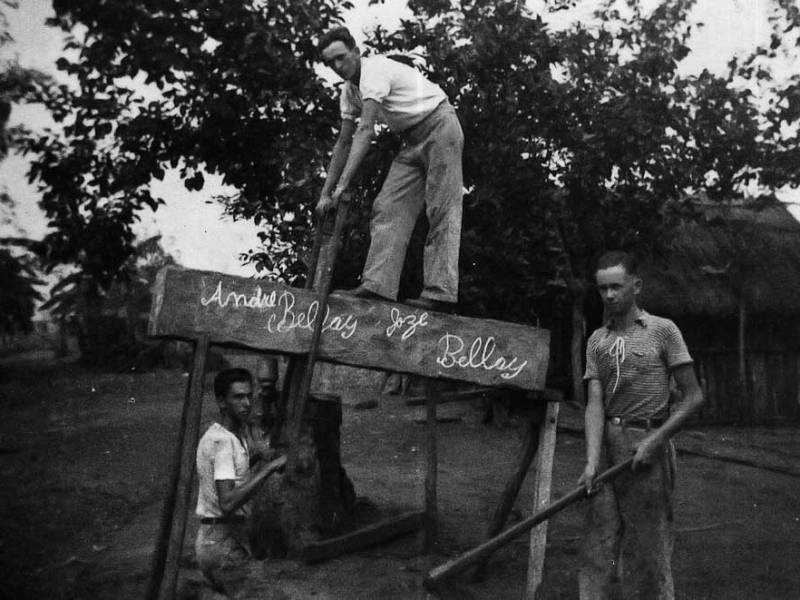
Colonies Without Colonies? Race, Colonialism and Whiteness in the Hungarian Colonies of Southern Brazil
In Eastern Europe, the arguments of ‘white innocence’, historical exceptionalism, and ‘never having colonies’ had systematically denied the region’s participation in global colonialism, only to support the colonial victimhood of ‘peripheral whites’. This paper refutes these semiperipheral historical myths by exploring the story of Hungarian settlers in the Brazilian colonial frontier between the two world…

‘We Never Had Colonies’: Episodes in the Global Histories of Colonialism and Anti-Colonialism in Hungary before the Second World War
I presented my paper ‘We Never Had Colonies’: Episodes in the Global Histories of Colonialism and Anti-Colonialism in Hungary before the Second World War at the academic conference Colonial Entanglements in Central and Eastern Europe before 1939 organized by Agata Łuksza and Łukasz Zaremba on 4–5 September 2023 at the Institute of Polish Culture, University…
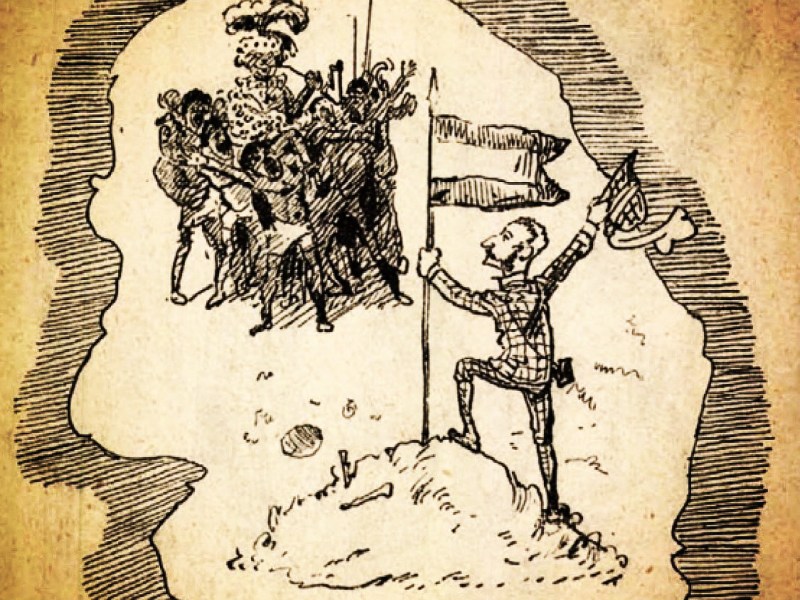
‘We Never Had Colonies’: Global Histories of Race and Colonialism in Hungary, 1850–1939
Global history has often ignored how race and coloniality articulated Eastern European economic, structural, and world-systemic positions. This talk will refute these approaches by exposing the role played by race and coloniality in Hungary’s semiperipheral integration to the capitalist-colonial world economy between the mid-19th century and the 1940s – the era of Hungary’s opening up…
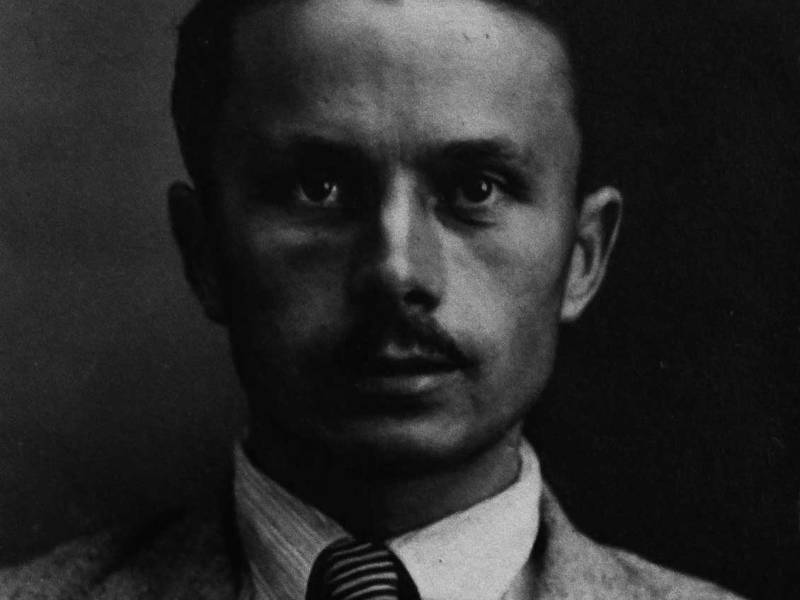
Ferenc Kordás and Hungarian Colonies in South America
As part of my research on Hungarian colonies in South America, I’m digitizing parts of the archival collection of the Julian teacher, writer and poet Ferenc Kordás (1911–1993) held at the Déri Museum in Debrecen. In my work, I’m looking at his Brazilian sociographies, diaries, notes and poems about the tropical experience and Hungarian settler…
Hungary and Ghana: What do Their 1960s Forgotten Relations Tell Us about the ‘Southern Opening’ After 2015?
My paper for the international conference “Visegrad countries and Africa: History and Contemporaneity” held online on 27 April 2022. I follow a world-systemic and decolonial approach to investigate Hungarian semiperipheral positioning strategies in global colonial history by looking at the interactions and converging interests of Hungary and Ghana in the early 1960s.
‘Hungarian Indians’: Race, Colonialism and Memory Politics in Hungarian ‘Indian Play’
I talk about how semiperipheral “whiteness” should reconfigure our ideas of Eastern European racial and colonial history through the case of Hungarian ‘Indian play’. The “tradition” of whites playing out Native Americans in cultural and racial performances was often an antagonistic practice of anti-colonial solidarity and colonial appropriation. In the Eastern European case, it often…

Ali Baba
Decorative commercial poster by Sándor Lengyel who was a very sought-after graphic designer in the 1960s and 70s. He mostly designed commercial posters and he was famous for his cartoon-like style. Ali Baba was a brand which sold quality coffee in the socialist times.
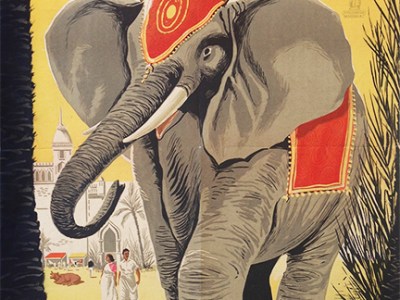
In India
Movie poster by László Bánki for a Soviet film about India, 1953. According to the poster a performance by the famous Polish Mazowse dance company was presented as well.
The Return of the Colonial: Understanding the Role of Eastern Europe in Global Colonization Debates and Decolonial Struggles
I was honored to present my paper The Return of the Colonial: Understanding the Role of Eastern Europe in Global Colonization Debates and Decolonial Struggles at the opening event of the Decolonize Hellas project and research platform on 19 May, 2021. In my paper, I introduced my world-sytemic approach to conceptualizing semiperipheral Hungarian and Eastern…
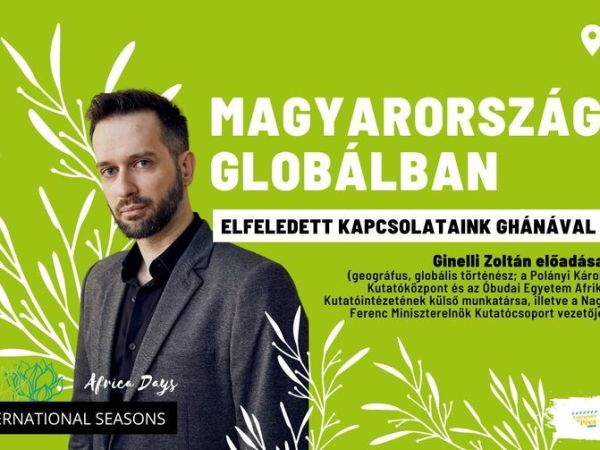
Magyarország Globálban: Elfeledett Kapcsolataink Ghánával
Ghána 1957-ben elsőként vált független szubszaharai afrikai országgá, méghozzá a legígéretesebbek egyikévé. Azonban Európa- és nyugatközpontú történelmi emlékezetünk elfeledtette velünk, hogy nekünk magyaroknak milyen fontos szerepünk is volt Ghána fejlődésében. Vajon hogyan érthetjük meg Magyarország globális történelmét a dekolonizáció és a gyarmati múltú Ghána felől nézve?
Celebration of 60 Years of Ghana–Hungary Relations
It was my honor to hold a 1 hour lecture (starts after 1:35:00) at the important diplomatic event “Celebrating 60 Years of Diplomatic Relations Between Ghana and Hungary” about the history of the relations between the two countries. I feel immensely privileged that the Embassy of Hungary in Accra, Ghana had recognized my work and…
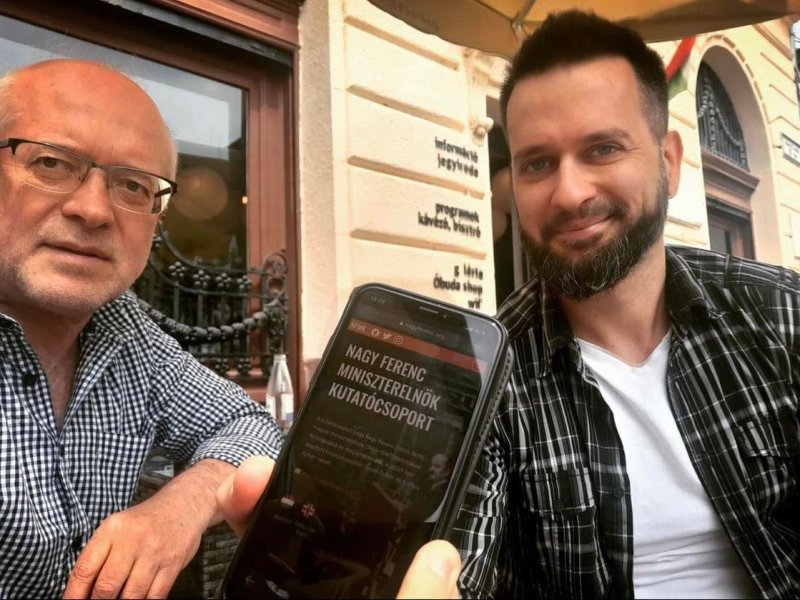
Prime Minister Ferenc Nagy Research Group
Our Ferenc Nagy Prime Minister Research Group was established in 2020 under the leadership of myself and Zoltán Kovács Kozári. My research focuses on the role of Ferenc Nagy and the Hungarian anti-communist émigré community in shaping the political discourse of “Soviet colonialism” in relation to Afro-Asian decolonisation. See our new website at nagyferenc.org.
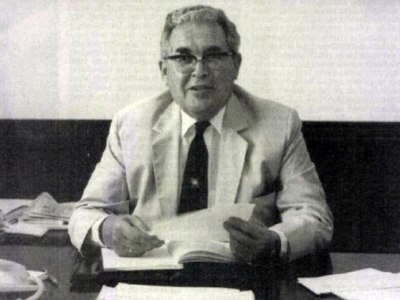
János Fekete in Ghana
After President Nkrumah’s visit to Ghana in 1961, the president requested a wide range of expertise and investment projects from Hungary. Among them was the secret mission of János Fekete as a financial adviser in the summer of 1962 to work out currency management solutions for Ghana, which was heavily dependent on world market prices…
Fekete János Ghánában
Nkrumah ghánai elnök 1961-es látogatása után sokféle szakértői és beruházási megbízást kért Magyarországtól. Közéjük tartozott 1962 nyarán Fekete János titkos pénzügyi tanácsadói kiküldetése, hogy a nyugati országok hiteleitől (USA, Egyesült Királyság) és a világpiaci áraktól erősen függő Ghánának valutagazdálkodási megoldásokat dolgozzon ki.

Erdei Ferenc Afrikában
Erdei Ferenc a Hazafias Népfront Országos Tanácsának főtitkáraként és az országgyűlés mezőgazdasági bizottságának elnökeként vezette azt az 1964-es magyar parlamenti delegációt, amely Mali és Guinea mellett Ghánába is ellátogatott. Ez volt az első magyar parlamenti delegáció Ghánában. Erről is szót ejtek majd, amikor a pécsi Afrika-hét első napján egy órán át beszélek a magyar-ghánai kapcsolatainkról…
Something went wrong. Please refresh the page and/or try again.

About Me
Lorem ipsum
Subscribe to My Blog
Get new content delivered directly to your inbox.
 Zoltán Ginelli